Fressnapf's Torsten Toeller on Building a €5B Pet Empire
Fressnapf founder Torsten Toeller turned a single struggling 1990 pet store funded with roughly €25,000 into a near 3,000 store, €5 billion European pet retail group. At the World Retail Congress, he detailed how franchising, vertical integration, private label, and a new bet on AI driven pet health and loyalty ecosystems are shaping the company's road to 2030.
- 1Fressnapf operates close to 3,000 stores across 15 countries and generates roughly €5 billion in system wide sales, employing more than 22,000 people.
- 2Franchising became the core growth engine after Toeller could not self fund expansion, with 150 to 200 new stores opened each year today.
- 3Vertical integration and private label, now around 50 percent of sales, transformed profitability and shifted the mix toward premium and super premium products.
Few retail entrepreneurs have built a business quite like Torsten Toeller.
What started as a single pet store funded with just 50,000 German marks, roughly €25,000, has evolved into one of Europe's largest pet retail empires. Today, Fressnapf operates nearly 3,000 stores across 15 countries, generates close to €5 billion in system wide sales, and employs more than 22,000 people.
But Toeller's story is not just about retail scale. It is about long term vision, relentless expansion, learning from failure, and adapting to a rapidly changing consumer landscape.
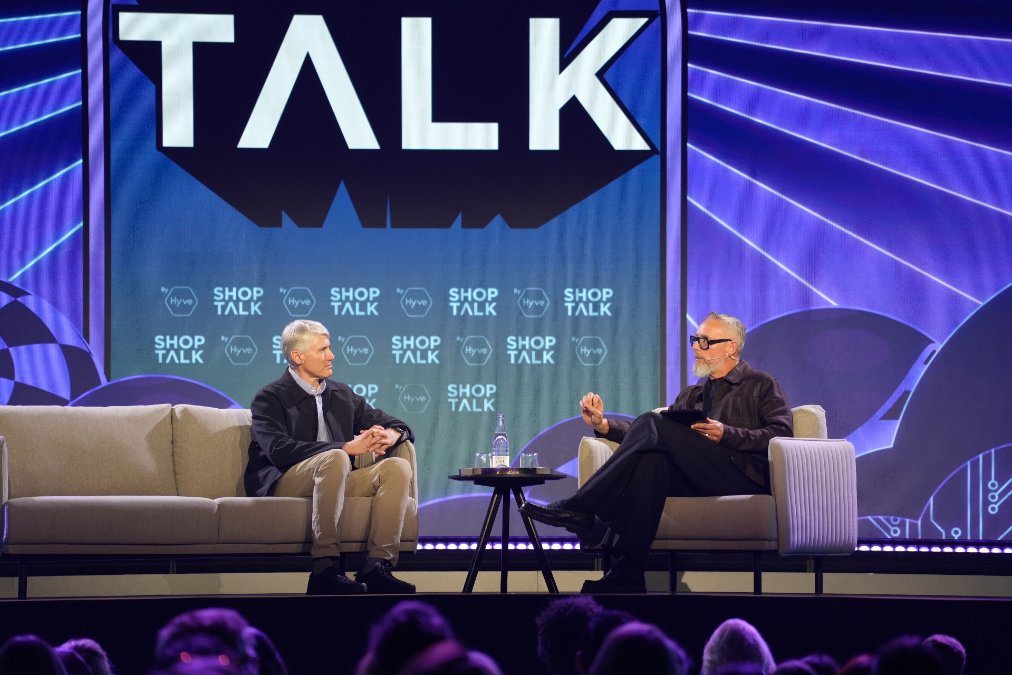
Speaking during a fireside conversation at the World Retail Congress, the Fressnapf founder reflected on the lessons learned over 36 years of building a multinational retail business and why he believes the future of pet retail lies far beyond traditional stores.
The Idea Everyone Thought Would Fail
Toeller's retail journey began inside his parents' small family owned shop.
"I grew up making pocket money in the mom and pop store of my parents," he explained. "It was pretty clear I would become a retailer."
While working for German retail giant Metro AG in the late 1980s, Toeller was sent to the United States to explore emerging retail concepts that could be brought to Europe. Among the formats he encountered, one stood out immediately: PetSmart.
He returned convinced that large scale pet retail had enormous potential in Europe.
Not everyone agreed.
"Everybody told me it was a terrible idea," Toeller recalled. "Nobody believed it would work."
At just 24 years old, with little to lose and a strong belief in the emotional bond between people and pets, he opened the first Fressnapf store.
That original vision still drives the business today.
Five Things Friday
Five useful signals from the people shaping global retail. Every Friday.
"Happier pets, happier people," Toeller said. "That has been our mission for 36 years."
Building a Retail Giant Through Franchising
Scaling the business was not easy.
The first store nearly went bankrupt, and Toeller lacked the financial resources to expand aggressively. Instead, he turned to franchising as a growth strategy.
"I did not have the money to expand myself," he explained. "So I expanded with other people's money."
The strategy worked.
By partnering with franchisees who believed in both the concept and the founder himself, Fressnapf slowly expanded across Germany before accelerating internationally.
It took five years to reach 50 stores. Once profitability improved, growth accelerated rapidly.
Today, the company opens between 150 and 200 stores every year.
Toeller described the early franchising years as some of the most enjoyable moments of his career.
"There were no handbooks. No ERP systems. No complicated processes," he said. "We would sit together with franchisees in the store over a case of beer and discuss what needed to be done."
That entrepreneurial spirit became one of the foundations of Fressnapf's culture.
"One of the biggest learnings in my life," Toeller explained, "is that nothing makes you more successful than making others successful."
The Strategy That Transformed Profitability
As the company scaled, Toeller began systematically restructuring the business model to improve profitability and operational control.
One of the biggest shifts came through vertical integration.
Fressnapf gradually removed wholesalers and importers from the supply chain, allowing the company to capture more margin internally.
At the same time, the retailer invested heavily in private label products.
Today, private brands account for approximately 50 percent of sales, particularly within premium and super premium categories.
The strategy has significantly improved both profitability and customer loyalty.
"We became much stronger in high margin premium products," Toeller explained.
Private label also helped differentiate Fressnapf from growing competition across grocery, discount retail, and online marketplaces.
The Expensive Mistakes That Shaped the Business
Despite the company's success, Toeller was candid about the mistakes made along the way.
One of the biggest challenges came from moving too aggressively into online retail during the early days of ecommerce.
"I was too early," he admitted.
Long before online pet retail became mainstream, Fressnapf invested heavily in digital operations. The result was years of financial losses and strategic distraction.
Later, after shutting parts of the business down, the company found itself moving too slowly back into ecommerce as online adoption accelerated again.
The experience taught Toeller a difficult lesson about timing innovation correctly.
He also acknowledged that Fressnapf expanded into too many smaller countries too quickly, rather than focusing resources on becoming dominant in larger strategic markets first.
"The company could have been much bigger and more profitable if I had concentrated on fewer countries," he admitted.
How COVID-19 Created Both Growth and Complacency
Like many pet retailers, Fressnapf experienced enormous growth during the pandemic.
With consumers spending more time at home, pet ownership surged across Europe. Spending on pet food, accessories, and care products increased rapidly.
For a time, the category appeared unstoppable.
But Toeller believes the company became too comfortable during the boom.
"We got lazy," he admitted.
The business hired too many people, increased spending excessively, and overinvested in systems and advisors.
When post pandemic normalization arrived, Fressnapf was forced to restructure parts of the business and reduce headcount for the first time in its history.
For Toeller, that became one of the hardest moments of his career.
"After 36 years, I had to lay off 100 people," he said. "That really makes you sad as an entrepreneur."
Why Fressnapf Is Betting Big on AI and Digital Health
Despite earlier ecommerce setbacks, Toeller is now fully embracing artificial intelligence and digital transformation.
He believes AI will fundamentally reshape both retail operations and customer engagement across the pet industry.
"We will become a tech company," he said. "I never thought that five or ten years ago."
Fressnapf is currently investing heavily in AI driven efficiencies, customer segmentation, loyalty systems, and digital services.
One of the company's most ambitious initiatives is a digital veterinary platform powered by AI.
The service, called Dr. Fressnapf, combines telehealth capabilities with AI powered advice and voice technology to support pet owners more effectively.
Toeller believes pet health and longevity will become one of the most valuable growth areas in the industry over the next decade.
"Health for pets and longevity for pets will create enormous value," he explained.
The technology will also support store employees by helping them provide more accurate and personalized customer advice.
Loyalty and Ecosystems Are the Future of Pet Retail
Fressnapf is also aggressively expanding its loyalty ecosystem.
Its loyalty platform, Friends, already accounts for more than 80 percent of company turnover, with ambitions to push that figure toward 90 percent.
Toeller sees this as critical to long term customer retention and ecosystem development.
The broader vision goes far beyond selling pet products.
"We want to build an ecosystem around pets," he explained.
That ecosystem includes veterinary services, grooming, digital health tools, subscriptions, ecommerce, loyalty programs, and personalized advice.
The goal is to position Fressnapf as the central platform for every aspect of pet ownership.
"We want to solve every problem around pet lovers and pet ownership," Toeller said.
The Private Equity Partnership That Changed the Business
A major turning point for the company came through its relationship with private equity firm Cinven.
The connection began when Cinven acquired a majority stake in Arcaplanet, the leading Italian pet retailer, with Fressnapf holding a minority stake in the combined business. When Cinven later sold its Arcaplanet stake to Fressnapf, giving Fressnapf full control of the Italian business, Cinven simultaneously reinvested as a minority shareholder in Fressnapf itself.
Toeller had been clear that Italy was essential if Fressnapf wanted to become a true pan European pet retail leader, and the structure of the deal allowed him to achieve that without overleveraging the business with debt.
The partnership introduced a new level of operational discipline inside the business.
According to Toeller, working with Cinven helped sharpen focus, improve accountability, strengthen leadership hiring, and prioritize value creation more systematically.
"Private equity brought focus," he explained.
The relationship also accelerated Fressnapf's transition from a founder led German retailer into a more internationally structured organization.
Today, Germany accounts for only around 35 percent of total company sales, compared with nearly 80 percent just a few years ago.
The Road to 2030
Looking ahead, Toeller believes Fressnapf still has enormous room for growth.
The company aims to double in size over the coming years through a combination of store expansion, omnichannel development, AI driven efficiency, loyalty growth, and ecosystem services.
But the long term ambition is even bigger.
Toeller wants Fressnapf to become the leading pet care ecosystem in Europe.
Not simply a retailer.
Not simply an ecommerce platform.
But the trusted destination where pet owners manage every aspect of life with their animals.
"The long term goal," he said, "is to build the one stop ecosystem around pets."
For a business that began with one struggling store and a founder everyone doubted, the vision now feels remarkably achievable.
Related coverage
Leadership
Home Depot names CFO Richard McPhail as chief executive
Nov 18, 2026
Leadership
Ethan Allen names interim CEO as Kathwari departs
Nov 17, 2026
Leadership
Retail Expansion: What JOE & THE JUICE and L'Osteria Won't Change
Sep 29, 2026
Leadership
Lagardère Travel Retail's Real Growth Problem: Orchestration
Sep 28, 2026
Ethan Allen names interim CEO as Kathwari departs
Ethan Allen named Stefanie Tsen Ward interim CEO and reshaped its board a day after reporting lower quarterly sales and thinner margins.
Continue readingMore in Leadership

🔍 Explore related coverage