DoorDash agrees to buy Instacart: what grocers should watch
US grocers that rely on third-party delivery could end up dealing with one much bigger partner. DoorDash has agreed to buy Instacart for a total value of $65.00 for each Instacart share, or an equity value of approximately $17 billion, according to the company's release filed with the US Securities and Exchange Commission. That price is a 26% premium to Instacart's closing price on October 22, 2026, and Instacart's board of directors has unanimously approved the agreement.
This is a signed agreement, not a completed deal. Closing depends on approval by Instacart stockholders, the end of the US Hart-Scott-Rodino waiting period, other regulatory approvals, including in Canada and Israel, and other customary conditions. Holders of about 19% of Instacart's outstanding shares have agreed to vote in favour. DoorDash expects the deal to close in the end of 2027 or the first half of 2028.
What DoorDash is promising retailers
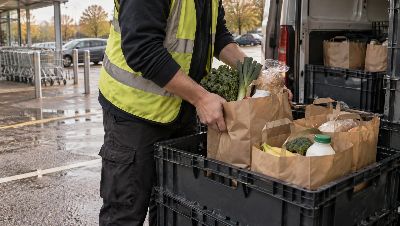
DoorDash has framed the deal around local stores rather than scale alone. The release says that local grocers can work with any delivery platform they choose. It also says grocers could add capacity for online orders through DoorDash's DashMart Fulfillment Services, and that DoorDash expects to keep Instacart's brand, enterprise technology products, and app. For shoppers, DoorDash said DashPass and Instacart+ members would pay one membership fee instead of two, which it estimates would save them an estimated $100 million per year on membership fees alone.
"Grocery is one of the hardest things to get right online," Tony Xu, DoorDash's co-founder and chief executive, said in the release.
These are DoorDash's stated intentions and estimates, not measured results. The release does not say what a combined business would charge retailers. For a grocer, that is the number that matters. Choosing "any delivery platform" means less if the main alternatives have joined together, and how long any promise lasts after closing is a fair question to ask.
Why the timing matters
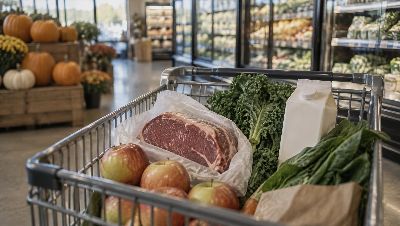
The deal comes as delivery is taking a larger share of US grocery spending. Brick Meets Click, the research firm, reported that the online share of total grocery spending grew from less than 15% at the end of 3Q24 to more than 19% in 1Q26. It also said Walmart is now approaching a 40% share of total U.S. eGrocery sales.
One reading is that regional grocers would gain a stronger partner to compete with Walmart and Amazon. The other is that they would become more dependent on a single intermediary that sits between them and their customers. Regulators will have to weigh both views. Retailers can usefully spend the long review period working out how much of their online sales depends on these two platforms, and what it would cost to rely on them less.
Related coverage
Grocery
Price led Spanish food choices in 2025, MPAC survey says
Nov 17, 2026
Grocery
Tesco brings free premature baby nappies to Express stores
Nov 17, 2026
Grocery
Grupo Upper opens €28m SPAR logistics centre in Cartagena
Nov 17, 2026
Grocery
Instacart brings same-day grocery to Provi's bar buyers
Nov 17, 2026
Tesco brings free premature baby nappies to Express stores
Tesco is extending free Pampers premature baby nappies from its pharmacies to nearly 150 Express stores near neonatal units.
Continue readingMore in Grocery
🔍 Explore related coverage
The Retail Podcast
Instacart Before DoorDash: In-Stock Right Maybe 80% | Ryan Hamburger
Listen to the episode
Five Things Friday
Five useful signals from the people shaping global retail. Every Friday.