US grocery prices rise 0.4% in October, BLS says
US grocers are heading into the holiday trading period with shelf prices moving up across most of the basket. The US Bureau of Labor Statistics said the food index increased 0.5% in October, with the food at home index up 0.4%. That matters for retailers planning promotions, because they have less room to absorb cost increases when customers are already paying more.
The headline figure was firm too. The Consumer Price Index for All Urban Consumers rose 0.4% on a seasonally adjusted basis in October, BLS said, while the index excluding food and energy rose 0.3%, the same as in September and August. Shelter rose 0.3% and accounted for over thirty percent of the monthly increase. Energy, which had jumped in September, increased 0.7% in October after rising 5.2% in September.
Where the grocery increases came from
The rises were spread widely. BLS said four of the six major grocery store food group indexes increased in October. The index for other food at home rose 0.7%, with snacks up 1.0%. Meats, poultry, fish and eggs rose 0.5%, and beef rose 0.9%. Fruits and vegetables, and dairy and related products, each increased 0.6%.
There were two exceptions. Nonalcoholic beverages fell 0.3% after rising 0.9% in September, and the index for cereals and bakery products was unchanged.
Eating out became more expensive too. The food away from home index rose 0.5%, slightly faster than grocery. For supermarkets, that gap is a small help. A meal at home still looks better value next to a restaurant, and grocers with strong prepared food and meal deals can use that in their marketing.
What it means for grocers
The most useful signal is how broad the rise was. When beef, produce, dairy and snacks all go up in the same month, a grocer cannot easily balance higher prices in one aisle with promotions in another. Retailers will need to decide where to invest in price during the holiday weeks and where to protect margin. Shoppers on tight budgets may also move more of their spending to own label and discounters.
The data has clear limits. These are seasonally adjusted figures for a single month, and they measure the prices consumers pay, not retailers' costs or margins. There is also no year-on-year comparison. BLS said it did not collect survey data for October 2025 because of a lapse in appropriations, so it cannot publish 12-month percent changes for most series. That makes it harder to say whether October is the start of a new trend or a one-month rebound.
The next reading should help settle that. BLS said the November report is scheduled for Thursday, December 10, 2026, when grocers will be well into their holiday trading.
Related coverage
Grocery
Price led Spanish food choices in 2025, MPAC survey says
Nov 17, 2026
Grocery
Tesco brings free premature baby nappies to Express stores
Nov 17, 2026
Grocery
Grupo Upper opens €28m SPAR logistics centre in Cartagena
Nov 17, 2026
Grocery
Instacart brings same-day grocery to Provi's bar buyers
Nov 17, 2026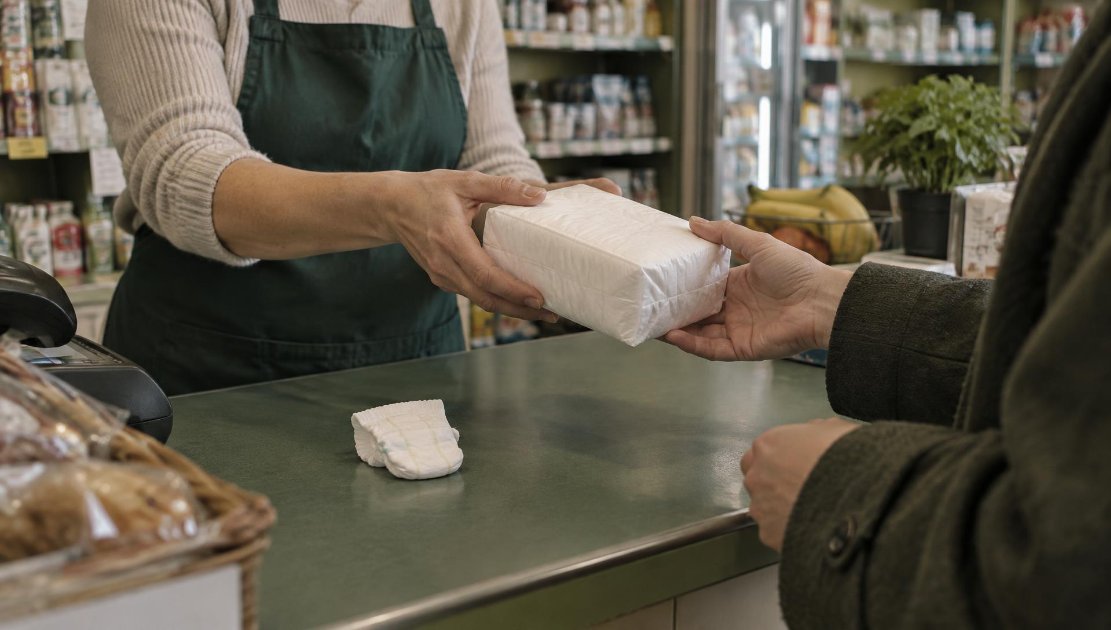
Tesco brings free premature baby nappies to Express stores
Tesco is extending free Pampers premature baby nappies from its pharmacies to nearly 150 Express stores near neonatal units.
Continue readingMore in Grocery
🔍 Explore related coverage

Five Things Friday
Five useful signals from the people shaping global retail. Every Friday.