Action sales rise 14% to €12.8bn as new stores add pace
Action, the Dutch non-food discount chain, reported sales growth well above its like-for-like growth, with new store openings contributing to the increase. In a trading statement dated 12 November 2026, Action reported net sales of €12.8 billion for the first nine months of 2026, up 14% on the same period last year. Like-for-like sales growth was 3.4%.
That gap matters for anyone competing with it. Action said the increase "was driven by customer growth in existing stores and new store openings". With like-for-like growth at 3.4%, most of the 14% came from a bigger estate rather than from existing stores selling more.
More shoppers, lower prices
Action said it welcomed an average of 23.2 million customers a week, up from 20.6 million in the same period last year, a rise of 13%. Because sales grew 14% and weekly customers grew 13%, the average amount each shopper spends appears to have changed little. The growth comes from reaching more people, not from selling more to each one.
It also kept cutting prices. Action reduced prices on more than 1,000 products in its fixed assortment. Chief executive Hajir Hajji linked this directly to scale in the statement: "Our size enables us to secure better purchasing conditions and pass the benefits on to our customers through lower prices."
The store machine
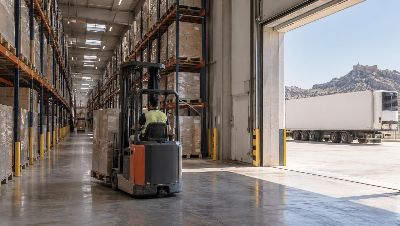
Action added 228 stores in the nine months and said it remains on track to add at least 400 stores in 2026. It now operates 3,530 stores across 16 European countries. On 18 September it opened its first store in Slovenia, its second new market this year after Croatia in March. It also opened its 20th European distribution centre, in Onnaing, France, serving northern France and southern Belgium.
Whether Action remains on track to add at least 400 stores in 2026 will show how much of next year's growth is already locked in.
What the numbers do not show
This is a trading statement, not full results. It gives no profit, gross margin or country breakdown, so it does not show whether the price cuts are costing margin or which markets are driving the like-for-like figure. The customer numbers are Action's own and cover the whole estate, so they also include new stores. For rivals, the useful question is local: where Action opens nearby, how many of those extra weekly shoppers came from their own aisles?