Derek Sulger on Shanghai Tang and the Future of Experiential Luxury Retail
Derek Sulger, chairman of Shanghai Tang, shared insights on how the iconic brand is redefining experiential luxury retail. Shanghai Tang blends Chinese cultural heritage, hospitality, and fashion to create immersive customer experiences that resonate with the modern Asian luxury consumer.
- 1Leverage Asian Consumer Insights - Understand cultural preferences, social behavior, and aspirations to shape retail strategy
- 2Transform Exclusivity into Community - Modern luxury consumers value connection and belonging alongside product quality
- 3Create Immersive Experiences - Experiences that combine fashion, hospitality, and art enhance brand loyalty and engagement
Shanghai Tang: Reviving Heritage with Modern Luxury
Founded by David Tang, Shanghai Tang captures the golden era of Shanghai when the city was known as the Paris of the East. Inspired by Wong Kar-wai films like In the Mood for Love, the brand merges cinematic storytelling with fashion, lifestyle, and fragrance offerings, including the signature Ginger Flower perfume.
Now in its 34th year, Shanghai Tang has evolved into a global luxury brand offering apparel, accessories, and lifestyle experiences while staying rooted in its cultural origins.
Understanding the Asian Luxury Consumer
Asia accounts for nearly 45 percent of global luxury demand, with China dominating this market. For Shanghai Tang, approximately 75 percent of customers are Asian, primarily Chinese.
Sulger introduced the Three E Framework for understanding consumer behavior:
- Exclusivity - Creating a sense of belonging for like-minded communities rather than exclusion.
- Expressiveness - Allowing consumers to communicate individuality and cultural awareness through brand engagement.
- Experiences - Crafting immersive retail and lifestyle experiences that go beyond traditional shopping.
This framework guides Shanghai Tang's strategy, helping the brand connect deeply with its audience while creating meaningful and memorable experiences.
Experiences at the Core of Luxury Retail
Shanghai Tang integrates art, hospitality, and fashion to create experiential luxury. Sulger serves as co-chairman of the UCCA Center for Contemporary Art, one of China's leading contemporary art institutions. Collaborations with UCCA and international museums like the Solomon R. Guggenheim Museum allow the brand to present curated exhibitions that reinforce storytelling and cultural relevance.
Sulger likens retail curation to museum curation: careful storytelling, presentation, and context elevate the customer experience.
Hospitality Lessons Applied to Retail
Shanghai Tang's sister company, Union Group, operates Michelin-starred restaurants in China and Japan. Sulger explains that hospitality teaches precision, real-time execution, and attention to detail, which luxury retail can adopt to enhance customer engagement.
Notable projects include Shanghai Tang restaurants and exhibitions, offering guests immersive experiences that blend cuisine, design, and storytelling. This approach differentiates the brand in a competitive luxury market where generic in-store cafés no longer suffice.
Blurring the Lines: Retail, Hospitality, and Art
Sulger emphasizes the convergence of fashion, hospitality, and arts in modern luxury. Experiences are no longer just about products; they encompass culture, gastronomy, and events that foster meaningful consumer relationships.
This integration ensures Shanghai Tang delivers premium value while maintaining authenticity and exclusivity, creating environments where consumers feel both connected and inspired.
Key Takeaways for Luxury Retail Leaders
- Leverage Asian Consumer Insights - Understand cultural preferences, social behavior, and aspirations to shape retail strategy.
- Transform Exclusivity into Community - Modern luxury consumers value connection and belonging alongside product quality.
- Create Immersive Experiences - Experiences that combine fashion, hospitality, and art enhance brand loyalty and engagement.
- Hospitality Principles Elevate Retail - Apply operational precision, attention to detail, and real-time responsiveness from hospitality to retail spaces.
- Curate Cultural and Artistic Storytelling - Collaborations with museums and cultural institutions build credibility and enhance brand narratives.
Actionable Insight: Luxury brands that merge culture, hospitality, and experiential retail will attract the next generation of high-value, globally minded consumers.
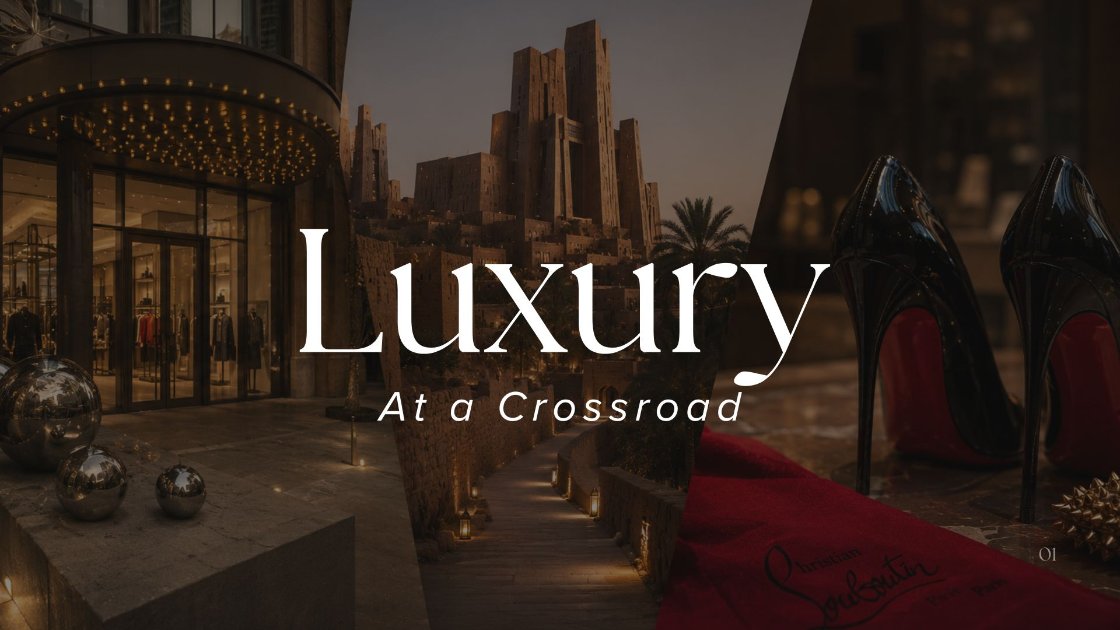
Luxury Retail at a Crossroads: Heritage, Innovation and the Race to 2030
Selfridges Group's Andrew Keith, Diriyah Company's Nermeen Nosseir and Christian Louboutin's Alexis Mourot reveal the strategies, and the non-negotiable nos, defining luxury retail to 2030.
Continue readingMore in Luxury

🔍 Explore related coverage
Related Topics


Five Things Friday
Five useful signals from the people shaping global retail. Every Friday.