How LVMH Is Using AI to Strengthen Humanity, Creativity, and Luxury Experience
LVMH implements "AI for All" across its 75 Maisons, using AI to enhance client engagement, marketing, and operations, aiming to strengthen human connection and creativity in luxury retail.
- 1LVMH's
- 2care tech
- 3 philosophy ensures AI remains invisible, supporting human craftsmanship and client relationships within luxury experiences, rather than replacing them.
Welcome to the Stage: AI, Luxury, and the Human Advantage
Good afternoon, everyone. Please welcome to the stage Annie Furman, Partner and Consumer Markets Industry Leader at PwC, joined by Gonzague de Pirey, Chief Omnichannel and Data Officer at LVMH, and Soumia Hadjali, Global Senior Vice President of Client Development and Digital at Louis Vuitton.
The session offered a rare look inside how the world’s largest luxury group is approaching artificial intelligence with discipline, intention, and a deeply human focus.
Why LVMH Believes Technology Should Be Invisible
Furman opened by recalling her first conversation with de Pirey about LVMH’s AI strategy. Rather than focusing on automation or cost reduction, the discussion centered on humanity.
De Pirey reinforced that point. Luxury, he said, is fundamentally about artistic creation, craftsmanship, and human relationships, especially the bond between client advisors and clients in stores. Technology must support that essence, not disrupt it.
At LVMH, this philosophy is known as “care tech”. The idea is simple. Technology should be everywhere but visible nowhere, designed to elevate the magic of luxury rather than replace it.
AI for All: Scaling Intelligence Across 75 Maisons
LVMH’s scale presents both opportunity and complexity. With more than 75 Maisons across fashion, leather goods, wines and spirits, beauty, and selective retail including Sephora, there is no one-size-fits-all approach.
De Pirey described LVMH’s third phase of AI maturity, called AI for All. Every Maison is asked to define its own AI transformation plan aligned with its strategic priorities. Those plans are then analyzed collectively to identify shared opportunities.
Across the group, most AI use cases fall into three domains: client engagement, marketing, and operations. Best practices are scaled where appropriate, while preserving each Maison’s DNA, tone, and cultural identity.
Louis Vuitton and the Rise of the Digital Concierge
Soumia Hadjali offered a closer look at how AI is applied at Louis Vuitton, where creativity and emotion are central to the brand experience.
AI does not replace design studios. Instead, it helps designers explore faster and deeper by visualizing materials, testing colors, and accelerating experimentation. This allows more time for craftsmanship, storytelling, and narrative development.
For client advisors, AI reduces administrative friction by providing insights into client preferences and intent. The goal is to keep advisors focused on relationships, not screens.
Across all functions, the principle remains the same. AI augments capabilities, while the signature remains human.
Five Things Friday
Five useful signals from the people shaping global retail. Every Friday.
One of the most forward-looking topics discussed was agentic commerce. While often framed as transactional, LVMH is using it to deepen intimacy and long-term relationships.
At Louis Vuitton, agentic commerce means orchestrating an entire ecosystem around a single client. This includes stores, ecommerce, mobile apps, advisors, cafes, exhibitions, and private experiences.
Hadjali described this as a form of digital concierge, one that understands not only what a client buys, but how they live. From anniversary gifting to exhibition access and restaurant reservations, AI helps create seamless, contextual experiences across touchpoints.
The ambition is to be part of clients’ lives over time, not just present at the moment of purchase.
Responsible AI, Trust, and the Future of Luxury Retail
Maintaining authenticity at scale is one of LVMH’s greatest challenges. While technology platforms may be shared behind the scenes, each Maison retains its own vocabulary, tone, and expression.
De Pirey emphasized that AI must always remain in the hands of people, especially client advisors, enabling deeper emotional connections rather than automated interactions.
Scaling succeeds when AI initiatives align directly with business priorities. Projects that sit outside core needs rarely scale. Those tied to tangible value and brand strategy do.
LVMH has invested heavily in responsible AI governance, including group-level and Maison-level oversight. For the company, responsibility is not just about compliance, but about trust.
Employees must trust the systems they are asked to adopt. Clients must trust that AI protects creativity, privacy, and brand integrity. In luxury, trust is inseparable from desirability.
As Furman concluded, LVMH offers a powerful counterpoint to fear-driven narratives around AI.
With intention, discipline, and restraint, AI can make the world feel more human, not more mechanical. Success, de Pirey noted, will ultimately be measured by stronger brands, deeper desire, and LVMH remaining a place where top talent wants to work.
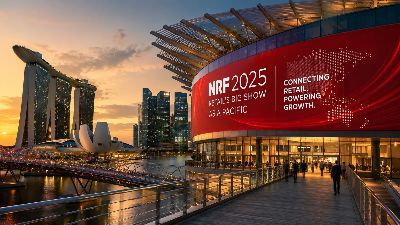
At NRF, the message was clear. In luxury, AI’s highest purpose is not efficiency alone, but the elevation of humanity itself.
Frequently Asked Questions
What is the key point of "How LVMH Is Using AI to Strengthen Humanity, Creativity,..."?
- LVMH implements "AI for All" across its 75 Maisons, using AI to enhance client engagement, marketing, and operations, aiming to strengthen human connection and creativity in luxury retail.
Welcome to the Stage: AI, Luxury, and the Human Advantage - what does it mean?
- Good afternoon, everyone. Please welcome to the stage Annie Furman, Partner and Consumer Markets Industry Leader at PwC, joined by Gonzague de Pirey, Chief Omnichannel and Data Officer at LVMH, and Soumia Hadjali, Global Senior Vice President of Client Development and Digital at Louis Vuitton.
Why LVMH Believes Technology Should Be Invisible?
- Furman opened by recalling her first conversation with de Pirey about LVMH’s AI strategy. Rather than focusing on automation or cost reduction, the discussion centered on humanity. De Pirey reinforced that point.
AI for All: Scaling Intelligence Across 75 Maisons - what does it mean?
- LVMH’s scale presents both opportunity and complexity. With more than 75 Maisons across fashion, leather goods, wines and spirits, beauty, and selective retail including Sephora, there is no one-size-fits-all approach. De Pirey described LVMH’s third phase of AI maturity, called AI for All.
Louis Vuitton and the Rise of the Digital Concierge - what does it mean?
- Soumia Hadjali offered a closer look at how AI is applied at Louis Vuitton, where creativity and emotion are central to the brand experience. AI does not replace design studios. Instead, it helps designers explore faster and deeper by visualizing materials, testing colors, and accelerating experimentation.
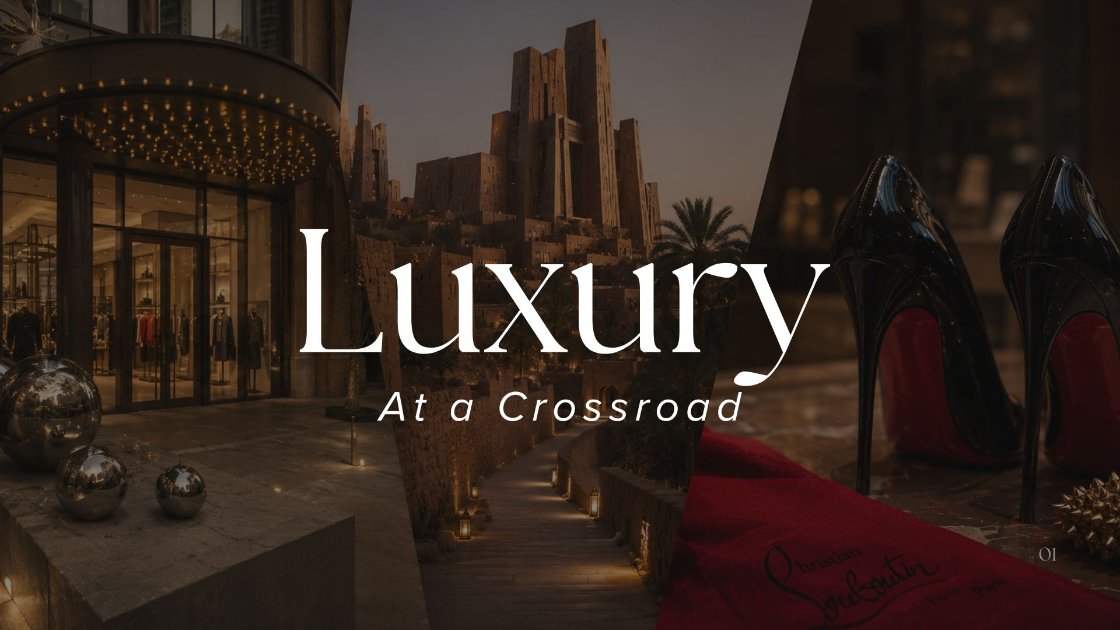
Luxury Retail at a Crossroads: Heritage, Innovation and the Race to 2030
Selfridges Group's Andrew Keith, Diriyah Company's Nermeen Nosseir and Christian Louboutin's Alexis Mourot reveal the strategies, and the non-negotiable nos, defining luxury retail to 2030.
Continue readingMore in Luxury
🔍 Explore related coverage