Why 5 Million People Still Visit SM Supermalls Every Day Despite the Rise of E-commerce
SM Supermalls draws about 5 million shoppers a day across 90 Philippine and 10 Chinese malls. President Steven Tan credits customer-first innovation, community-focused design and inclusivity for double-digit 2025 growth despite e-commerce headwinds.
- 1SM Supermalls welcomes about 5 million shoppers per day across 90 malls in the Philippines and 10 in China, including three of the ten largest malls in the world.
- 2President Steven Tan attributes growth to removing customer friction, from all-day opening hours to weekend banking through BDO Unibank.
- 3Indoor gardens, town-plaza layouts and autism awareness training position SM malls as inclusive community spaces, not just retail destinations.
SM Supermalls President Steven Tan explains why customer-first innovation, inclusivity and community experiences continue to fuel growth across one of the world''s largest mall operators.
For years, retail analysts predicted that e-commerce would eventually replace physical shopping centres.
At SM Supermalls, that prediction has never materialised.
Every day, approximately five million shoppers visit the company''s malls across the Philippines, making SM one of the busiest shopping centre operators in the world. Even as retailers navigate inflation, geopolitical uncertainty and changing consumer behaviour, the business continues to deliver double-digit sales growth, reinforcing the enduring appeal of well-designed physical retail experiences.
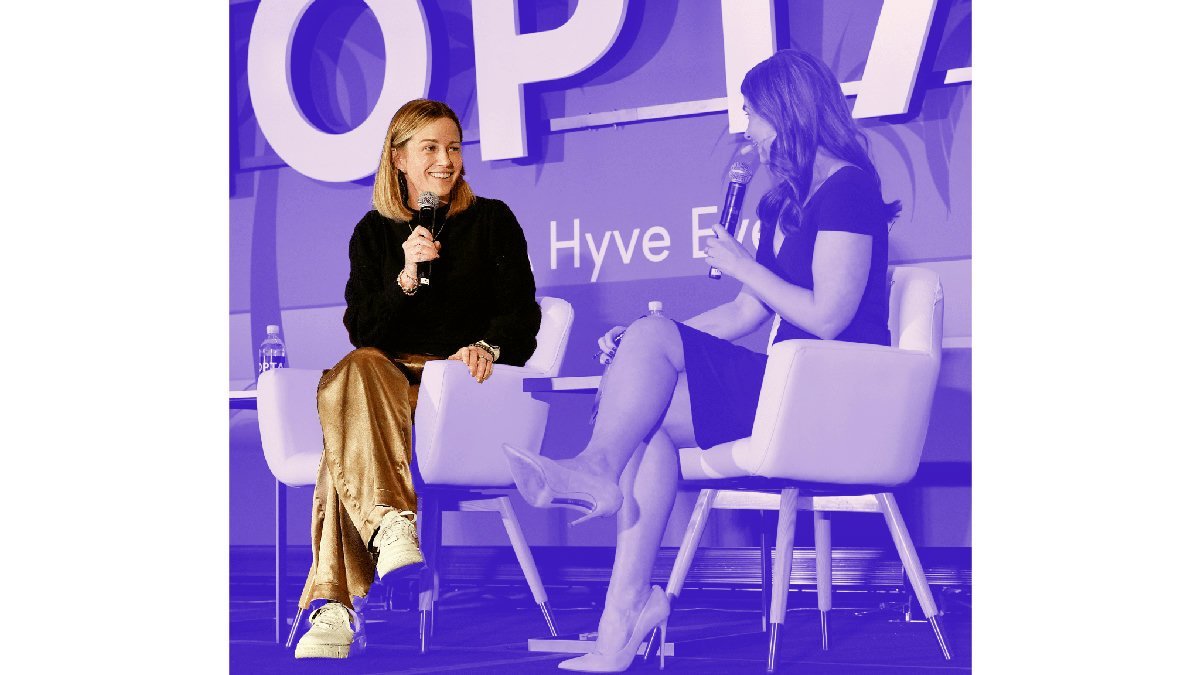
Speaking with The Retail Podcast at NRF APAC, Steven Tan, President of SM Supermalls, shared why the company believes the future of retail belongs to businesses that continuously evolve around customer needs rather than simply responding to industry trends.
From a Small Shoe Store to a Retail Empire
The SM story began in the 1950s when Henry Sy Sr. opened a small shoe store in Manila.
Today, SM Supermalls operates 90 shopping centres in the Philippines and 10 in China, including three of the ten largest shopping malls in the world by gross floor area: SM Mall of Asia, SM Megamall and SM North EDSA. SM City Tianjin in China is among its largest international locations. The combined footprint spans approximately 6.5 million square feet. The company has also expanded into banking, residential developments and mixed-use communities, creating an integrated retail ecosystem that extends well beyond shopping.
For Tan, however, the company''s success has never been defined by scale alone. It has been built on a willingness to challenge convention and continually adapt to changing consumer expectations.
Customer Convenience Has Always Driven Innovation
Innovation has been part of SM''s DNA since its earliest days.
Tan recalled how the business challenged traditional retail practices decades ago by becoming one of the first retailers in the Philippines to remain open throughout the day instead of closing for the customary afternoon siesta.
The same customer-first thinking later extended to banking through BDO Unibank, the largest bank network in the Philippines, which operates on Saturdays and Sundays because, as Tan put it, closing on the days when people actually need to deposit money or transfer funds made no sense.
Rather than designing operations around internal convenience, SM consistently asked how it could remove friction from customers'' daily lives.
Five Things Friday
Five useful signals from the people shaping global retail. Every Friday.
"It''s all about customer convenience. It''s all about customer experience and how do you address the friction," Tan said.
That philosophy continues to influence everything from operating hours to tenant mix and service offerings.
Shopping Centres Have Become Modern Community Spaces
As e-commerce continues to grow, SM has deliberately focused on creating experiences that cannot be replicated online.
In the Philippines, shopping centres have evolved into community gathering places where families meet, friends socialise and people spend time together beyond simply making purchases.
Tan described SM''s malls as the country''s modern-day town plazas, reflecting the social role they increasingly play within local communities. He noted that the Philippines'' colonial history, 300 years under Spain and 30 under the United States, created a culture that naturally gravitates toward gathering places and public squares.
Recognising that younger consumers value outdoor environments while still seeking comfort, the company has introduced large indoor gardens and climate-controlled open spaces that combine nature with convenience.
One-hectare indoor gardens featuring trees, landscaped areas and weather-protected environments allow visitors to enjoy the atmosphere of outdoor public spaces without the challenges of tropical heat or heavy rainfall.
For Tan, successful retail begins with listening.
"There''s always a way to address the friction. All you have to do is really put your ears on the ground and listen to what your consumers want, and design your shopping centers based on their needs and their wants."
Inclusivity Is Part of the Customer Experience
One of the most powerful moments during the conversation centred on accessibility.
Tan shared how an incident involving a young autistic boy in one of SM''s malls in the early 2000s fundamentally changed the organisation''s approach to customer service.
The boy had been running around inside the shopping centre, and security guards brought him to the security office without understanding how to respond appropriately. When the parents arrived, they explained that this was not the right way to handle a child with autism. SM reached out to professionals for guidance on how to respond when customers with autism become agitated, and built that knowledge into its training programme.
Today, all service providers across SM Supermalls receive autism awareness training twice a year, designed to help them respond appropriately to different situations while creating a more welcoming environment for families.
The company has also introduced gender-neutral toilets across its shopping centres as part of its broader commitment to serving every member of the community. "Those are needed because they are part and parcel of our community," Tan said.
For SM, inclusivity is not simply a policy. It is an essential part of delivering meaningful customer experiences.
Physical Retail Continues to Outperform Expectations
During the pandemic, many predicted that accelerated e-commerce adoption would permanently reduce demand for physical shopping centres.
SM experienced the opposite.
According to Tan, 2025 was another record year, with the business delivering double-digit sales growth despite preparing for softer consumer spending amid global trade tensions and economic uncertainty.
Even after anticipating more cautious consumer behaviour earlier this year, following the outbreak of the trade war and oil price pressures in February and March, the company continued recording double-digit growth in May, highlighting the resilience of both Filipino consumers and experience-led retail.
Tan believes that resilience reflects more than economic conditions. Filipino consumers continue to value experiences, social interaction and spending time together, making shopping centres an important part of everyday life rather than simply a place to buy products.
International Retailers Must Earn Local Relevance
As more international brands expand into Southeast Asia, Tan believes one mistake continues to appear repeatedly.
Many retailers assume that success in one market will automatically translate into another.
Instead, he argues that brands must first ask whether they are genuinely relevant to local consumers.
At SM, customer feedback plays a central role in shaping retail strategy. The company maintains a dedicated think tank comprising Generation Z and Generation Alpha consumers, combining their perspectives with customer data and third-party market research to guide future investments.
Rather than expecting consumers to adapt to retail, Tan believes retailers must continually adapt to consumers.
"You can''t just build it and expect them to come," he said. "Get your consumers involved."
The Future of Retail Starts With Listening
When asked how retailers can remain relevant in an increasingly competitive environment, Tan''s answer was simple.
"It isn''t about you. It''s about the consumer."
That philosophy has guided SM Supermalls for decades, from extending opening hours and redesigning shopping centres to investing in accessibility and community spaces.
As retailers around the world search for the future of physical commerce, SM''s experience offers an important reminder.
Technology will continue to transform retail, but long-term success still depends on understanding people, removing friction and creating places where customers genuinely want to spend their time.
For SM Supermalls, that customer-first mindset has helped transform a small shoe store into one of the world''s largest retail destinations, welcoming five million shoppers every single day.
Related coverage

Department Store
Debenhams CEO Dan Finley on Rewriting Department Store Economics
Sep 30, 2026
Department Store
John Lewis Is Turning Its Christmas Storytelling Machine Into an Always-On Content Studio
Sep 10, 2026
Department Store
Ingka Centres: "We Are a Meeting Place, Not a Shopping Centre"
Jul 15, 2026
Department Store
Peter Ruis: John Lewis Is Betting on AI, Resale and Expert Service
Jun 17, 2026
John Lewis Is Turning Its Christmas Storytelling Machine Into an Always-On Content Studio
John Lewis has opened The Box Studio, a permanent content creation facility inside its Oxford Street shop, as part of an £800 million investment programme. The move turns the storytelling capability behind its Christmas adverts into a year-round operation spanning social video, product reviews, creator collaborations and expert advice from Partners.
Continue readingMore in Department Store
🔍 Explore related coverage
The Retail Podcast
How SM Supermalls Serves 5 Million Shoppers Every Day | Steven S. Tan President
Listen to the episode