Ingka Centres: "We Are a Meeting Place, Not a Shopping Centre"
At Shoptalk Europe 2026, Ingka Centres' Kajsa Gihan argued the future of physical retail is not shopping - it is meeting places people actively choose to spend time in, backed by 37 locations, 320 million annual visitors and a China rollout that drew 24 million visits.
- 1Ingka Centres operates 37 meeting places across 14 markets with more than 320 million annual visitors and 2,500 brand partners, all anchored by IKEA.
- 2Its Pippi Longstocking experience across Livat locations in China attracted over 24 million visits and will roll out globally in 2026.
- 3Global Commercial and Digital Director Kajsa Gihan argued the scarcest asset in modern retail is a physical space designed with real intention to make people feel something.
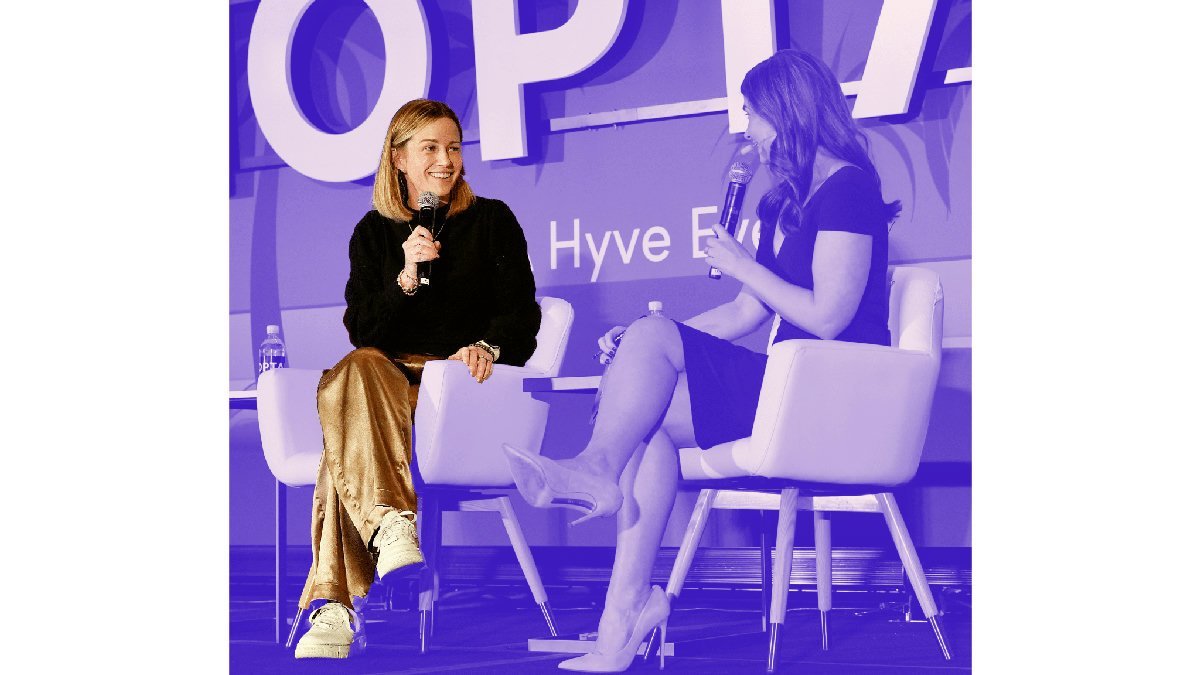
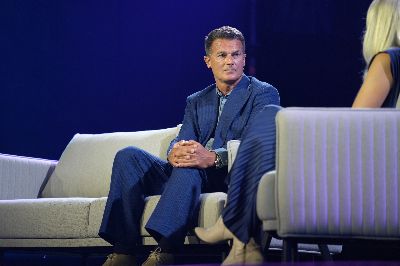
The death of the shopping centre has been predicted many times. Kajsa Gihan, Global Commercial & Digital Director at Ingka Centres, has heard every version of that prediction and remains unconvinced by all of them.
"We are not a shopping centre," she told the audience at Shoptalk Europe 2026 in Barcelona. "We are a meeting place."
That distinction is not just semantic. It reflects a deliberate strategic choice that Ingka Centres made years ago and has been doubling down on ever since: that the future of physical retail is not about selling more things, but about creating spaces where people genuinely want to spend their time. And that in a world where almost everything can be bought online, the experience of being somewhere meaningful is becoming one of retail's most valuable competitive advantages.
The Data Behind the Strategy
Ingka Centres operates 37 meeting places across 14 markets, welcoming more than 320 million visitors each year and working with over 2,500 brand partners. The portfolio spans Europe, Asia and the Americas, all of them anchored by IKEA.
The company's confidence in the meeting place model is not instinct. It is grounded in research. Ingka Centres' Life in Communities report, which surveyed 3,000 people across six countries, found that 74% of respondents feel there are not enough spaces in their communities where they can genuinely connect with others.
That finding matters commercially. It means the demand for physical spaces built around human connection is not shrinking. It is unmet. And for a company with 37 locations, the community infrastructure and five decades of experience in bringing people together, an unmet need at that scale is not a threat. It is an opportunity.
What 24 Million Visits Looks Like
The clearest expression of that opportunity came from China.
Ingka Centres introduced a Pippi Longstocking experience across its Livat meeting places in China, blending the beloved Swedish character's heritage with local creativity and energy. It was not designed as a campaign. It was designed as a world people could step into, full of storytelling, colour and small moments of curiosity.
It attracted over 24 million visits.
"Not just bringing people in," Gihan said, "but giving them reasons to stay and return."
The results were strong enough that in 2026, Ingka Centres is rolling the experience out across its entire global portfolio for the first time. China, Gihan noted, consistently functions as an innovation hub for the company, a market where ideas can be tested at genuine scale before being taken to the rest of the world.
Play Is Not a Nice-to-Have. It Is the Business Model.
In Paris, Ingka Centres brought the Pillow Fight Championship to its Italie Deux meeting place, transforming it into an arena of laughter and live competition. The event had nothing to do with selling furniture. It had everything to do with creating a memory, and with making people feel that a visit to an Ingka Centres meeting place is worth their time even when they are not in the market for a sofa.
Five Things Friday
Five useful signals from the people shaping global retail. Every Friday.
That is the underlying logic of Ingka Centres' entire strategy. When people experience joy and connection in a place, they come back. When they come back more often, they buy more. When they buy more, they bring others. The experience is not a distraction from commerce. It is the engine of it.
Gihan was direct about what this means for how the company allocates capital. Every major investment is now evaluated not just on commercial return but on whether it genuinely adds value to the community it sits within. The two are not in tension, she argued. In the long run, they are the same thing.
The Scarcity That Digital Commerce Cannot Solve
Digital commerce has solved enormous problems for consumers. It has made discovery faster, comparison easier and purchase more convenient than at any point in history.
But in solving those problems, it has created a new kind of scarcity: the experience of being physically present somewhere that has been designed, with real intention and real care, to make you feel something.
That scarcity is quietly becoming one of retail's most powerful competitive advantages. The companies accumulating it are not the ones with the most efficient logistics or the most sophisticated recommendation engines. They are the ones investing in places that people remember.
Ingka Centres is making that bet deliberately, using data and digital channels not as replacements for the physical experience but as tools that help the company understand what its communities actually need and deliver it more precisely.
The Question the Industry Has Not Yet Answered
Gihan did not close with a reassurance. She closed with a challenge.
The question for retail, she suggested, is not whether physical spaces have a future. The pandemic answered that. People came back. Visitor numbers recovered. The appetite for being somewhere real, with other people, doing something together, turned out to be more durable than the predictions of physical retail's death had suggested.
The question now is whether retailers are building physical experiences that genuinely deserve that appetite. Whether they are creating spaces that earn a place in people's lives. Or whether they are still, at heart, operating shopping centres that have learned to describe themselves differently.
For Ingka Centres, the answer starts with a question Gihan keeps coming back to: not what do you want people to buy, but what do you want them to feel?
The retailers who figure that out, she implied, are the ones who will still be relevant a decade from now.
Frequently Asked Questions
What is the key point of "Ingka Centres: "We Are a Meeting Place, Not a Shopping..."?
- At Shoptalk Europe 2026, Ingka Centres' Kajsa Gihan argued the future of physical retail is not shopping - it is meeting places people actively choose to spend time in, backed by 37 locations, 320 million annual visitors and a China rollout that drew 24 million visits.
The Data Behind the Strategy - what does it mean?
- Ingka Centres operates 37 meeting places across 14 markets, welcoming more than 320 million visitors each year and working with over 2,500 brand partners. The portfolio spans Europe, Asia and the Americas, all of them anchored by IKEA. The company's confidence in the meeting place model is not instinct.
What 24 Million Visits Looks Like?
- The clearest expression of that opportunity came from China. Ingka Centres introduced a Pippi Longstocking experience across its Livat meeting places in China, blending the beloved Swedish character's heritage with local creativity and energy. It was not designed as a campaign.
Play Is Not a Nice-to-Have. It Is the Business Model - what does it mean?
- In Paris, Ingka Centres brought the Pillow Fight Championship to its Italie Deux meeting place, transforming it into an arena of laughter and live competition. The event had nothing to do with selling furniture.
The Scarcity That Digital Commerce Cannot Solve - what does it mean?
- Digital commerce has solved enormous problems for consumers. It has made discovery faster, comparison easier and purchase more convenient than at any point in history.
Related coverage

Department Store
Debenhams CEO Dan Finley on Rewriting Department Store Economics
Sep 30, 2026
Department Store
John Lewis Is Turning Its Christmas Storytelling Machine Into an Always-On Content Studio
Sep 10, 2026
Department Store
Why 5 Million People Still Visit SM Supermalls Every Day Despite the Rise of E-commerce
Jul 8, 2026Department Store
Peter Ruis: John Lewis Is Betting on AI, Resale and Expert Service
Jun 17, 2026John Lewis Is Turning Its Christmas Storytelling Machine Into an Always-On Content Studio
John Lewis has opened The Box Studio, a permanent content creation facility inside its Oxford Street shop, as part of an £800 million investment programme. The move turns the storytelling capability behind its Christmas adverts into a year-round operation spanning social video, product reviews, creator collaborations and expert advice from Partners.
Continue readingMore in Department Store
🔍 Explore related coverage