Kaufland Global Marketplace: AI and One-Click Europe Expansion
Kaufland Global Marketplace is building a connected European ecosystem, using AI and a shared loyalty programme to let sellers reach 197 million shoppers across nine countries through one registration.
- 1Kaufland Global Marketplace operates in seven European countries today and adds Spain and the Netherlands in late 2026, reaching nine markets through a single seller registration.
- 2AI handles translation, product data enrichment and customer service across languages, letting a seller respond in English while shoppers receive replies in Czech, Polish or their local language.
- 3A Czech seller can grow addressable reach from under 10 million to more than 140 million online shoppers, with Spain and the Netherlands adding another 57 million.
Europe's ecommerce landscape has long been dominated by global marketplace giants. But as retailers look to reduce their dependence on American and Chinese platforms, Kaufland Global Marketplace is pursuing a different vision.
Rather than building another national marketplace, the company is creating a connected European ecosystem designed to make cross-border selling as simple as expanding into the next town.
Speaking at Shoptalk Europe 2026 in Barcelona, Fabian Kothe, Chief Technology Officer at Kaufland Global Marketplace, explained how artificial intelligence, integrated loyalty programmes and omnichannel retail are helping remove many of the barriers that have traditionally prevented brands from expanding across Europe.
The ambition is clear: make Europe feel like a single marketplace.
A Marketplace Built for Europe
Kaufland Global Marketplace has grown far beyond its origins in Germany. The business began as a startup called Hitmeister in 2008, was later acquired by Metro Group under the Real brand, and was subsequently sold to the Schwarz Group, which operates it under the Kaufland name.
Today, the platform operates across Germany, Slovakia, the Czech Republic, Austria, Poland, France and Italy, with launches planned for Spain and the Netherlands later this year, bringing the total to nine marketplaces across nine countries accessible through a single registration.
For Kothe, the expansion reflects more than geographic growth. It is part of a broader vision to create a European marketplace ecosystem that gives brands an alternative to relying exclusively on global ecommerce platforms.
"We're trying to build a good alternative for sellers and customers throughout Europe," Kothe said, noting that recent market developments have reinforced the importance of having strong regional commerce platforms.
Rather than asking sellers to navigate multiple systems, regulations and languages independently, Kaufland Global Marketplace aims to simplify expansion across the continent through a single technology platform.
AI Is Removing the Complexity of Cross-Border Commerce
Selling into multiple European markets has traditionally required significant investment. Brands often need local language support, customer service teams, product localisation, regulatory expertise and fulfilment capabilities before entering a new country.
Kaufland Global Marketplace is using artificial intelligence to reduce much of that complexity. According to Kothe, AI now helps translate product listings, enrich product data, support customer service interactions and automate many of the processes that previously slowed international expansion.
A seller can respond to a customer in English while the platform automatically delivers the conversation in Czech, Polish or another local language. The goal is to remove operational friction so brands can focus on growth instead of administration.
Five Things Friday
Five useful signals from the people shaping global retail. Every Friday.
One Click Can Unlock Millions of New Customers
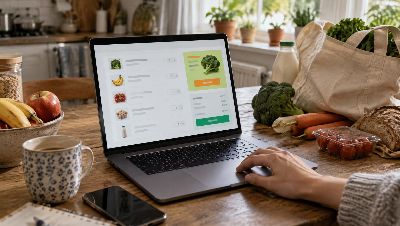
One of Kaufland Global Marketplace's biggest competitive advantages is the scale it offers sellers. Instead of building separate operations for each country, merchants can expand into multiple European markets through the same platform.
Kothe explained that a seller based in the Czech Republic, for example, can increase its potential customer base from fewer than ten million people to more than 140 million online shoppers across the seven countries currently active on the platform. Spain and the Netherlands, announced on stage at Shoptalk Europe, add a further 57 million online shoppers to that reach.
The company has designed onboarding to be as frictionless as possible. When France and Italy were added to the platform, the first sellers registered within five minutes of the announcement.
Following this year's announcement that Spain and the Netherlands will join the network, existing merchants can begin preparing their catalogues immediately ahead of customer launches planned for late summer 2026.
Physical Stores Are Fuelling Digital Growth
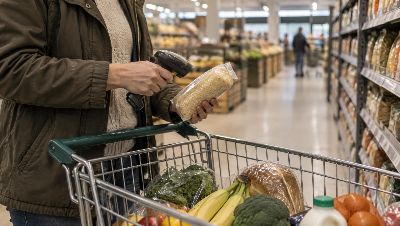
Unlike many marketplace operators, Kaufland combines ecommerce with one of Europe's largest physical retail networks.
The retailer operates around 1,600 stores across Germany and Eastern Europe, creating a powerful bridge between physical and digital commerce. Kaufland is the number one grocery brand in the Czech Republic, Slovakia, Bulgaria and Romania, with awareness levels that Kothe said reach 95% in some Eastern European markets.
Millions of shoppers visit Kaufland stores every week, while the Kaufland loyalty programme has around 25 million members. In Slovakia and the Czech Republic alone, approximately 50% of households hold a Kaufland loyalty card. Approximately 15 million weekly active users engage with the Kaufland app.
Rather than treating stores and ecommerce as separate businesses, Kaufland connects both through a shared loyalty programme: customers earn points while shopping in stores and can redeem those rewards through the marketplace, creating a seamless experience that encourages engagement across both channels.
For Kothe, the objective is straightforward. "We want customers to interact with Kaufland every day," Kothe said, describing a vision where customers find everything they need across the ecosystem, whether they are buying groceries, browsing the marketplace or discovering new brands online.
Loyalty and Data Are Creating a Stronger Marketplace
Technology alone is not enough to build customer loyalty. One of Kaufland Global Marketplace's biggest advantages comes from connecting data across its physical stores, mobile app and marketplace.
By understanding what customers already purchase in supermarkets, the retailer can recommend complementary products available through the marketplace. Someone regularly buying pet food in-store, for example, can receive relevant recommendations for pet accessories, beds or toys online.
Those insights help create a more personalised shopping experience while giving marketplace sellers access to highly relevant customer audiences. The integration also strengthens loyalty, increasing the likelihood that customers remain within the Kaufland ecosystem instead of shopping elsewhere.
Building a Marketplace Without Borders
While marketplaces often compete country by country, Kaufland Global Marketplace is pursuing a broader ambition. Its strategy is based on reducing the operational barriers that have historically fragmented European ecommerce.
Rather than asking brands to build separate teams for every market, the company wants technology to handle much of the complexity behind the scenes. Artificial intelligence, localisation tools, integrated customer service and simplified onboarding are all designed to make European expansion feel effortless.
The result is a platform where merchants can reach millions of additional customers without fundamentally changing how they operate.
Europe's Marketplace Opportunity Is Growing
As geopolitical uncertainty and changing trade dynamics encourage retailers to diversify their marketplace strategies, European platforms have an opportunity to play a larger role in global ecommerce.
Kaufland Global Marketplace believes that opportunity depends on making cross-border commerce significantly easier than it has been in the past. For brands, that means faster expansion, lower operational costs and access to new customers through a familiar retail ecosystem. For consumers, it means greater product choice while remaining connected to a trusted retailer they already know.
As Kaufland Global Marketplace prepares to launch in Spain and the Netherlands, the company is betting that the future of European ecommerce will not be built country by country. Instead, it will be built as one connected marketplace where technology removes borders and growth becomes just a few clicks away.
Related coverage

E-Commerce
Zalando opens its app to other online shops' products
Nov 6, 2026
E-Commerce
Amazon opens free Shop Direct portal to outside merchants
Nov 6, 2026
E-Commerce
Amazon says units grew nearly 15% as delivery sped up
Nov 6, 2026
E-Commerce
Al-Futtaim's One Commerce Backbone Is Built for Agentic Retail
Oct 7, 2026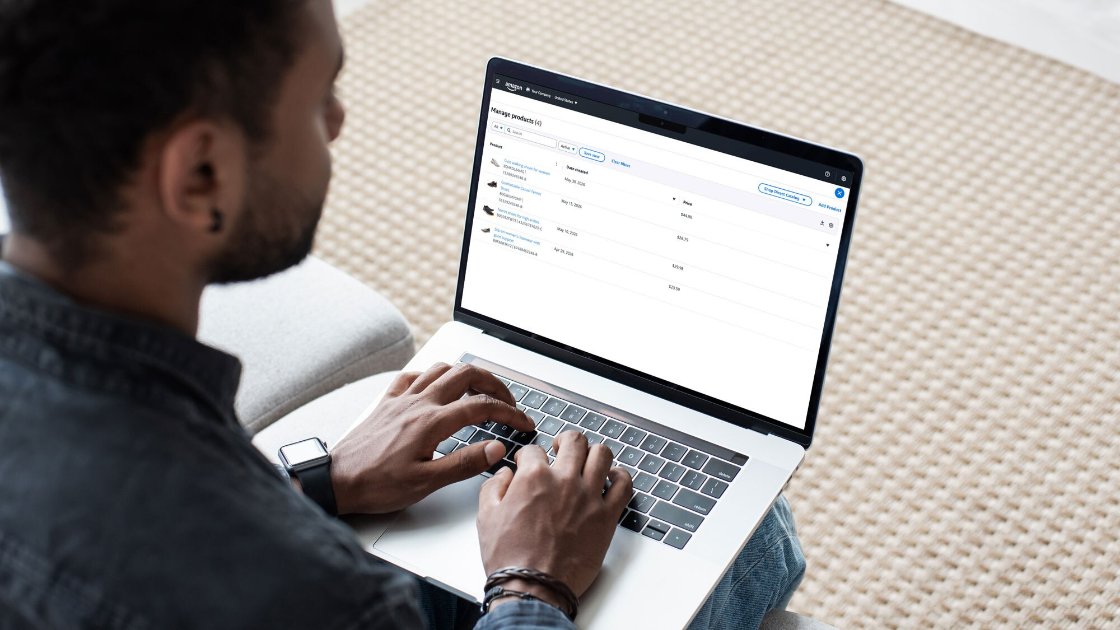
Amazon opens free Shop Direct portal to outside merchants
Amazon has launched a self-service workspace that lets independent merchants put their catalogues into Amazon search and Alexa for Shopping.
Continue readingMore in E-Commerce

🔍 Explore related coverage