FTC and 20 states take Dollar General to court over the gap between shelf and till
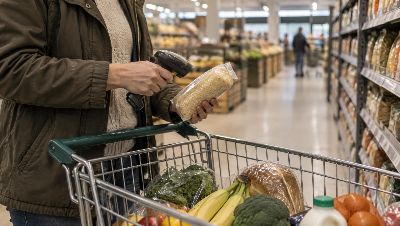
For a retailer that sells on low prices, the number that matters most is the one the customer pays at the till. That number is now the subject of a federal lawsuit. The Federal Trade Commission (FTC), joined by 20 states, has sued Dollar General Corporation. They allege that shoppers were routinely charged more at the register than the price shown on the shelf, on tags or in adverts.
What the regulators allege
In its press release, the FTC says Dollar General "received tens of thousands of complaints from consumers across the country" about advertised prices not being honoured. It says the company knew about the problem and did not fix it. Dollar General runs more than 21,000 stores, and the agency claims that "Thousands of Dollar General stores have taken advantage of vulnerable shoppers". The FTC puts the cost to consumers in the millions of dollars.
The complaint was filed in the US District Court for the Middle District of Tennessee. The states include Alabama, California, Florida, Illinois, Michigan, Ohio and Tennessee. The FTC and the states allege breaches of the FTC Act, the Gramm-Leach-Bliley Act and state laws. Christopher Mufarrige, Director of the FTC's Bureau of Consumer Protection, said: "Dollar General has betrayed the trust of millions of American consumers".
These are allegations, not findings. The FTC notes that it files a complaint when it has "reason to believe" the law is being broken, and that the court will decide the case. The release does not say what remedy the regulators want, and RetailNews has not yet seen a response from Dollar General.
A pattern, not a one-off
The suit comes shortly after a separate state action. In a settlement announced by New York Attorney General Letitia James, Dollar General agreed to donate $1.875 million worth of food and personal items to Foodlink. The office said it had reviewed weights and measures reports and found that 43 per cent documented price accuracy failures above 2 per cent in 2021 to 2023. Its investigators visited 11 Dollar General stores in Western New York as secret shoppers and were overcharged on about 14 per cent of the items they bought.
The New York terms show what a fix can cost. Dollar General agreed to honour the lowest advertised price when prices conflict. It will also train staff on price accuracy, put up signs telling customers what it owes them, and pay an independent auditor to carry out unannounced pricing audits of its New York stores twice each financial year.
What retail leaders should take from it
Price accuracy rarely fails because of a single decision. Prices change in central systems, and someone in the store has to change every label to match. When stores are short of time, labels fall behind. The open question is whether regulators treat these gaps as an operational failing or as a choice the company made. The FTC's case rests partly on its claim that the company knew and did not act. That makes complaint handling and how quickly errors get fixed as important as the error rate itself.
Two figures are worth knowing for your own estate: how often a shelf price differs from the till price, and how long it takes to put right once a customer complains. If those figures are not reported to the board, this case is a reason to start.
Frequently Asked Questions
What is the key point of "FTC and 20 states take Dollar General to court over the gap..."?
- For a retailer that sells on low prices, the number that matters most is the one the customer pays at the till.
What the regulators allege?
- In its press release, the FTC says Dollar General "received tens of thousands of complaints from consumers across the country" about advertised prices not being honoured. It says the company knew about the problem and did not fix it.
A pattern, not a one-off - what does it mean?
- The suit comes shortly after a separate state action. In a settlement announced by New York Attorney General Letitia James, Dollar General agreed to donate $1.875 million worth of food and personal items to Foodlink.
What retail leaders should take from it?
- Price accuracy rarely fails because of a single decision. Prices change in central systems, and someone in the store has to change every label to match. When stores are short of time, labels fall behind. The open question is whether regulators treat these gaps as an operational failing or as a choice the company made.
Related coverage

News
IKEA brings 6,500 products to Douyin as Ingka tests content-led shopping in China
Oct 29, 2026
News
Retailers can sell disposable barbecues again after the government withdraws its summer ban
Oct 29, 2026
News
Amazon's Bee wearables link everyday conversations to Amazon.com shopping recommendations
Oct 29, 2026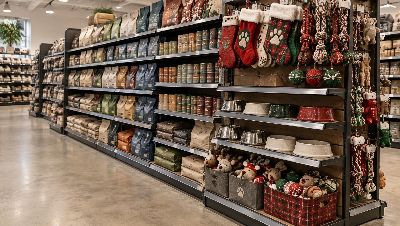
News
Morrisons uses its Christmas pet launch to reset the whole pet aisle
Oct 29, 2026
Retailers can sell disposable barbecues again after the government withdraws its summer ban
Retailers can supply disposable barbecues again. The Office for Product Safety and Standards (OPSS) confirmed that the statutory guidelines it brought...
Continue readingMore in News

🔍 Explore related coverage
Five Things Friday
Five useful signals from the people shaping global retail. Every Friday.