BRC Reports UK Cash Surge: First in a Decade
UK cash usage surged to 19% of transactions in 2022, the first increase in a decade, as consumers manage spending amid inflation, while retailers faced £1.26 billion in card processing fees.
- 1Cash usage in the UK rose to 19% of transactions in 2022, up from 15% in 2021, marking the first year-on-year increase in ten years as consumers use cash to control spending during high inflation.
- 2Card payments continue to dominate, accounting for 76% of all transactions in 2022, but retailers incurred significant costs, spending £1.26 billion on card processing fees last year.
- 3Alternative payment methods like Buy Now, Pay Later (BNPL) schemes increased their share from 2% to 5% of transactions in 2022, indicating a growing consumer demand for flexible payment options.
For the first time in ten years, the UK is witnessing a remarkable resurgence in cash usage. According to the British Retail Consortium (BRC), coins and banknotes were used in nearly 19% of transactions in 2022, up from 15% in 2021. This shift marks the first year-on-year increase since the BRC began its reports in 2013, spotlighting a significant change in consumer payment preferences.
The Resurgence of Cash Payments
The rise in cash usage is closely linked to households' efforts to manage their finances amid soaring living costs. As inflation bites, people are turning to tangible cash as a means to better control their spending. This trend also indicates a return to more traditional payment methods, moving away from the predominance of contactless payments that spiked during the pandemic.
Card Dominance and Emerging Payment Trends
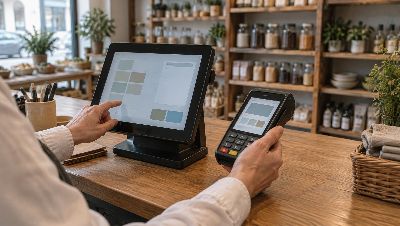
Despite this uptick in cash transactions, card payments continue to dominate, accounting for 76% of all transactions in 2022. Debit cards remain the most popular choice, underscoring the continued reliance on digital payment solutions. However, the financial burden on retailers is significant, with a hefty £1.26 billion spent on card processing fees last year alone.
Interestingly, alternative payment methods like buy now, pay later (BNPL) schemes are also gaining traction. These options increased from 2% of transactions in 2021 to 5% in 2022, reflecting consumers' appetite for more flexible payment solutions in challenging economic times.
Shifting Consumer Spending Habits
Another noteworthy trend is the change in purchasing behaviors. People are now making smaller but more frequent payments, with the average transaction value dipping from £24.49 to £22.43. This shift suggests a return to pre-pandemic payment habits, with cash playing a more significant role in everyday transactions.
Overall, these trends reveal a dynamic and evolving retail payment landscape in the UK. As consumers adapt to economic pressures and changing circumstances, their payment choices are reflecting a blend of traditional and modern approaches, balancing the convenience of digital transactions with the control offered by cash.
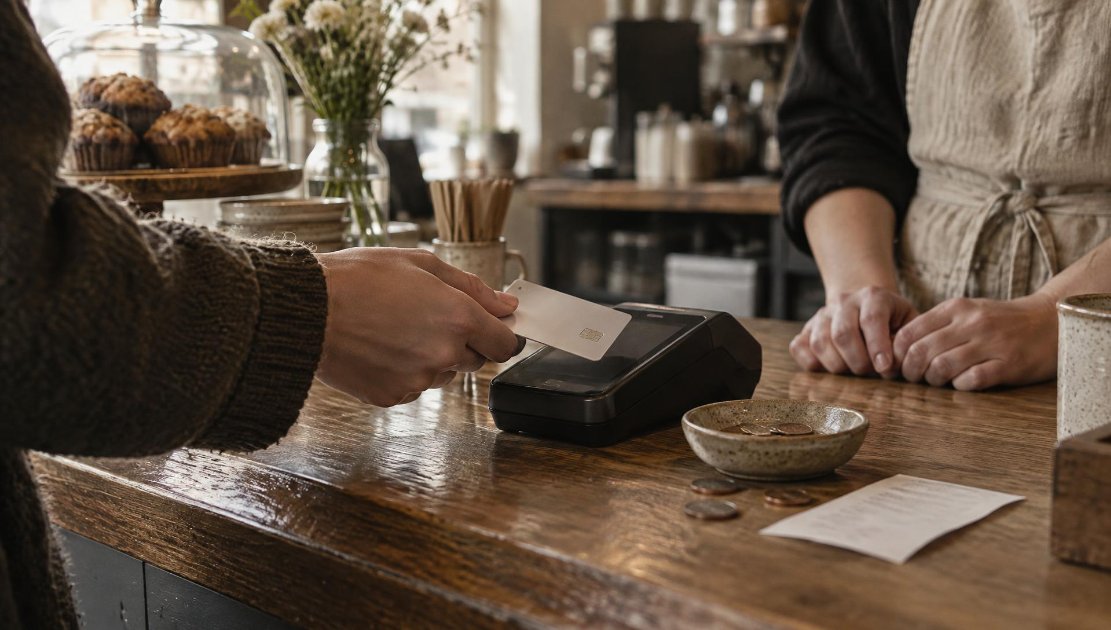
FMI and NRF sue regulators over Illinois swipe fee law
Nine merchant groups sued the OCC and NCUA on 12 November over rules blocking Illinois' ban on card fees charged on sales tax and tips.
Continue readingMore in News

🔍 Explore related coverage