Inside the Strategy Keeping Legacy Brands Relevant in Modern Retail
Legacy brands from 10 Corso Como, AWWG, Neuhaus, and BAIT demonstrate that staying relevant requires embedding innovation into culture, protecting core expertise while pursuing strategic collaborations, and building emotional connections with consumers rather than relying on discounts.
- 1Innovation must be continuous and embedded in company culture
- 2Collaborations only succeed when brands share common values and creative DNA
- 3Protect core expertise while innovating around it rather than chasing trends
Retail and luxury brands are navigating one of the most volatile periods the industry has experienced in decades. Yet some companies continue to thrive across generations.
At a leadership panel in Abu Dhabi, executives from 10 Corso Como, AWWG, Neuhaus, and BAIT discussed how brands maintain relevance while balancing heritage, innovation, and evolving consumer expectations.
Speakers included Marcella Wartenbergh, CEO of AWWG, Isabel Baert, CEO of Neuhaus, a senior executive from 10 Corso Como, and Mahmoud El Salahy, CEO of BAIT. Together they shared insights into how legacy brands continue to evolve while protecting their identity.
Innovation Must Be a Cultural Mindset
For legacy brands, innovation cannot be treated as a one time initiative. It must be embedded into company culture.
According to Marcella Wartenbergh, CEO of AWWG, innovation needs to be constant because consumers evolve faster than brands.
Innovation today goes far beyond product development. It includes:
- Store experiences
- Operational processes
- Product quality and craftsmanship
- Customer engagement strategies
AWWG manages brands such as Hackett London, Pepe Jeans London, and Façonnable, each of which must balance heritage with modern relevance.
Wartenbergh explains that brands must stretch their business while maintaining identity. Luxury brands need to create aspirational experiences while also building profitable product lines that sustain long term growth.
Collaboration Works Only When Values Align
Collaboration has become a defining strategy across fashion and retail. However, successful partnerships depend on shared values and cultural alignment.
Executives from 10 Corso Como emphasized that collaborations only succeed when brands share a common creative DNA.
The Milan based concept store has built its reputation through partnerships rooted in art, design, culture, and lifestyle. Over the past 35 years it has collaborated with global brands while maintaining strict curation standards.
Five Things Friday
Five useful signals from the people shaping global retail. Every Friday.
A recent example is its partnership with Gentle Monster, the innovative Korean eyewear brand. The collaboration introduced new younger consumers to the store while exposing them to the broader ecosystem of fashion, art, and design that defines 10 Corso Como.
The key insight is that collaborations should go beyond product. They should create a full brand experience.
Protect the Core Expertise
While brand extensions and collaborations can drive growth, companies must remain disciplined about what they truly do best.
Isabel Baert, CEO of Neuhaus, believes heritage brands should innovate around their core expertise rather than chase every trend.
Founded in 1857, Neuhaus is credited with inventing the Belgian praline. The company continues to evolve by developing new flavor combinations and textures while staying anchored in premium chocolate craftsmanship.
Baert explains that brand extensions into unrelated categories can confuse consumers. A chocolate brand launching handbags, for example, could weaken credibility because the brand lacks authority in that category.
However, partnerships with chefs or culinary experts strengthen Neuhaus' gastronomy positioning and reinforce its brand story.
Consumers Must Be at the Center of Brand Architecture
For BAIT, brand strategy begins with a clear understanding of the consumer.
CEO Mahmoud El Salahy argues that brands often make the mistake of focusing too much on competitors instead of deeply understanding their community.
BAIT defines its identity around fearless self expression. That message guides product development, storytelling, and collaborations.
The company has also shifted from traditional collaborations to what it calls co creation.
Instead of simply placing two logos on a product, co creation involves shared storytelling, experiential events, and collaborative design processes. The product becomes the final expression of a deeper cultural narrative.
Physical Retail Remains a Powerful Experience
Despite the growth of ecommerce, physical stores remain central to luxury and premium retail.
Consumers increasingly seek immersive experiences rather than simple transactions. Retail spaces have become destinations where brands can express their identity and engage communities.
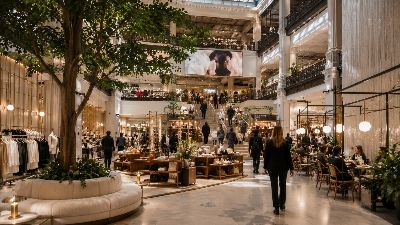
Concept stores such as 10 Corso Como demonstrate how retail environments can combine fashion, art, food, and hospitality to create cultural hubs.
Technology can enhance these experiences rather than replace them. Retailers are increasingly using digital tools to connect online shoppers with in store associates who can present products in real time, bridging the gap between digital browsing and physical interaction.
Marketplaces Are a Tool, Not the Enemy
Online marketplaces have created tension for many premium brands due to concerns around discounting and brand dilution.
However, Marcella Wartenbergh believes the key is not avoiding marketplaces but managing them strategically.
Brands must control:
- Product assortment
- Inventory levels
- Timing of releases
- Pricing and positioning
Certain premium items should never appear on marketplaces, while more accessible products can introduce younger consumers to the brand.
The goal is careful segmentation rather than uncontrolled distribution.
Why Discounting Can Damage Brand Value
Another major theme discussed by the panel was the danger of excessive discounting.
According to BAIT's leadership, heavy discounting shifts the relationship between brand and consumer from emotional to transactional.
When brands rely on price reductions to drive sales, they often divert marketing investment away from storytelling and brand building.
Instead, brands should focus on demand creation through cultural relevance, innovation, and meaningful collaborations.
When consumers truly desire a product, discounts become unnecessary.
Scarcity and Exclusivity Still Drive Demand
Luxury brands have long relied on scarcity to build desirability. Companies such as Hermès demonstrate how controlled distribution can strengthen brand value.
However, modern consumers are increasingly wealthy and informed. Many are less willing to wait indefinitely for products.
Today exclusivity must feel authentic and meaningful rather than artificial.
Limited editions, artist collaborations, and unique product experiences can create excitement while maintaining brand prestige.
Navigating Industry Curveballs
Even the strongest brands face unexpected challenges.
For Neuhaus, one of the biggest shocks came when global cacao prices increased fivefold. Instead of compromising product quality, the company invested in operational efficiency and strengthened sourcing partnerships to absorb the pressure.
Retailers also face changes in global tourism patterns. Multi brand retailers such as 10 Corso Como must constantly adapt to shifts in international travel, from Chinese tourism trends to increased American visitors.
Fashion brands also face the challenge of aging customer bases. Marcella Wartenbergh explained that when a brand's audience begins to age without attracting younger consumers, transformation becomes essential.
Brands must modernize product, marketing, and distribution while protecting their heritage.
The Core Lesson for Retail Leaders
The brands that survive disruption are not necessarily those that change the fastest.
They are the ones that evolve while protecting their identity.
Companies such as 10 Corso Como, AWWG, Neuhaus, and BAIT demonstrate that resilience comes from balancing innovation with discipline. By staying close to their communities, investing in storytelling, and protecting product integrity, legacy brands can remain relevant for decades.
Frequently Asked Questions
What is the key point of "Inside the Strategy Keeping Legacy Brands Relevant in..."?
- Legacy brands from 10 Corso Como, AWWG, Neuhaus, and BAIT demonstrate that staying relevant requires embedding innovation into culture, protecting core expertise while pursuing strategic collaborations, and building emotional connections with consumers rather than relying on discounts.
Innovation Must Be a Cultural Mindset - what does it mean?
- For legacy brands, innovation cannot be treated as a one time initiative. It must be embedded into company culture. According to Marcella Wartenbergh, CEO of AWWG, innovation needs to be constant because consumers evolve faster than brands. Innovation today goes far beyond product development.
Collaboration Works Only When Values Align - what does it mean?
- Collaboration has become a defining strategy across fashion and retail. However, successful partnerships depend on shared values and cultural alignment. Executives from 10 Corso Como emphasized that collaborations only succeed when brands share a common creative DNA.
Protect the Core Expertise - what does it mean?
- While brand extensions and collaborations can drive growth, companies must remain disciplined about what they truly do best. Isabel Baert, CEO of Neuhaus, believes heritage brands should innovate around their core expertise rather than chase every trend.
Consumers Must Be at the Center of Brand Architecture - what does it mean?
- For BAIT, brand strategy begins with a clear understanding of the consumer. CEO Mahmoud El Salahy argues that brands often make the mistake of focusing too much on competitors instead of deeply understanding their community. BAIT defines its identity around fearless self expression.

Arc'teryx CEO Stuart Haselden: How the Brand Grew 5x Without Betting on AI
At Shoptalk Europe, Arc'teryx CEO Stuart Haselden explained how the brand grew from $500m to $2.7bn in five years with no AI in the story - just vision, DTC control and an obsessive focus on the mountain athlete.
Continue readingMore in Leadership



🔍 Explore related coverage